

Preparing Fleets for 2026: Tire Costs, Heat Risks, and the Power of Preventative Maintenance
By Dale Jewell, Senior Manager, Fleet Maintenance
Fleet managers have faced a rapidly changing maintenance landscape over the past several years. Rising tire costs, supply chain disruptions, and extreme weather conditions have made it more important than ever to stay ahead of vehicle maintenance challenges. As fleets prepare for 2026, several key factors are shaping maintenance costs, vehicle reliability, and uptime.
Here are some of the most important considerations for fleet managers moving forward.
Why Tire Costs Continue to Rise
Tire pricing has fluctuated significantly in recent years, and multiple factors continue to drive costs higher.
- Raw material prices remain one of the biggest contributors. Rubber and other materials used in tire manufacturing have increased in price, which has pushed costs upward across the industry.
- Tariffs and supply chain disruptions have also played a role. Many major tire manufacturers have experienced supply chain pressures that ripple through to fleet buyers.
- Labor is another major contributor.
- The cost of installing tires has risen dramatically in recent years. Installation services that once cost roughly $25 per tire, including mounting, balancing, and valve stems, have in many cases doubled or even tripled over time.
For fleet managers building budgets for 2026, this means planning not just for the cost of the tire itself but also the full cost of installation and service.
How Heat Impacts Tires and Vehicle Reliability
 Seasonal weather changes can create significant maintenance challenges, particularly during warmer months. A common misconception is that tire pressure problems are primarily caused by underinflation. In reality, heat can also lead to overinflation. As temperatures rise, the air pressure inside a tire increases. When the rubber compound heats up, tire pressure can climb significantly and sometimes move beyond safe levels. Many tire pressure monitoring systems are designed to warn drivers about underinflation but may not provide adequate warnings when tires become overinflated. Heat also affects several other critical vehicle systems.
Batteries
Battery failures are often associated with cold winter weather, but extreme heat can be just as damaging. High temperatures accelerate battery degradation and can shorten battery life if charging systems are not operating properly.
Cooling Systems
Cooling systems play a critical role in keeping engines operating at safe temperatures. Routine inspections help ensure engines remain within normal operating ranges, especially during summer months when systems are under increased strain.
Air Conditioning
In hotter regions, air conditioning can become a driver safety issue rather than just a comfort feature. Ensuring systems are functioning properly before peak summer temperatures arrive can help prevent unnecessary downtime and improve driver safety.
What a Strong Preventative Maintenance Program Looks Like
Preventative maintenance remains one of the most effective ways fleets can control costs and reduce unexpected downtime. A strong maintenance program begins with clear structure and communication. Drivers should understand exactly where to take vehicles for service, when preventative maintenance should occur, and which vendors are approved to perform repairs. Many fleet policies focus heavily on rules around personal use, privacy, or accident reporting. Maintenance expectations are often less clearly defined. Providing drivers with clear service guidelines helps ensure vehicles are maintained at the right intervals and at the appropriate service locations.
Choosing the Right Maintenance Vendors
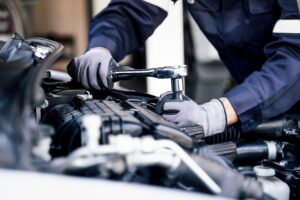 Selecting the right maintenance providers is another key factor in maximizing fleet uptime. When drivers drop vehicles off at service locations without verifying availability, repairs can be delayed significantly. In some cases, dealerships may not be able to bring a vehicle into a service bay for weeks, which leads to unnecessary downtime. Establishing a network of preferred service vendors in advance helps fleets route vehicles to providers that can offer faster turnaround times and more predictable costs.
Preventing Unexpected Downtime
Aside from accidents, unexpected maintenance costs and extended downtime often stem from one common issue, incomplete vehicle inspections. Vehicles serviced only at quick lube centers may not receive comprehensive system checks. Without broader inspections, potential problems can go unnoticed until they turn into larger and more expensive repairs. Full-service centers, whether dealerships or major tire and service providers, are more likely to evaluate multiple vehicle systems during routine visits and catch issues early.
The Bottom Line for Fleet Managers
Managing fleet maintenance effectively requires more than simply reacting to problems as they arise. Fleet managers who successfully control costs and maximize uptime tend to focus on three key strategies.
- Planning for rising maintenance costs including tires and labor.
- Preparing vehicles for seasonal challenges, particularly extreme heat.
- Implementing structured preventative maintenance programs.
Establishing clear maintenance procedures, working with trusted service partners, and ensuring drivers understand service expectations can help fleets stay ahead of costly repairs and minimize vehicle downtime.
Connect with Us Today
Fleet maintenance challenges are only becoming more complex. Now is the time to evaluate whether your preventative maintenance program, vendor network, and cost planning are aligned for long-term success. Partnering with experienced fleet management professionals can help reduce downtime, control maintenance expenses, and keep your vehicles operating reliably year-round. Contact us to learn more.